


• Main Menu
  • Programs

LEARN TO SWIM EXPERTS® SINCE 1996

Superfish 30th Anniversary Badge
  • Parent Portal

LEARN TO SWIM EXPERTS® SINCE 1996

  • Menu | Programs
  • Parent Portal

Pacific Pines

07 5529 4343

BENOWA

07 5597 1311

Worongary

07 5530 6116

SUNNYBANK

07 3323 3188

REDLAND BAY

07 3086 0131

iClassPro Parent Portal

Our iClassPro Parent Portal makes managing your Superfish Swim School experience quick and easy.

View class schedules, manage enrolments, create and update student accounts, check availability, enrol in swim programs, make secure payments, book make-up lessons, and stay up to date with swim school news and class information.
Select your Superfish location below to access your iClassPro Parent Portal and get started.

Choosing a swim school matters. Learn what to look for in instructors, programs and safety to ensure your child develops strong swimming skills.
Superstuff Logo

THE SUPERFISH BLOG

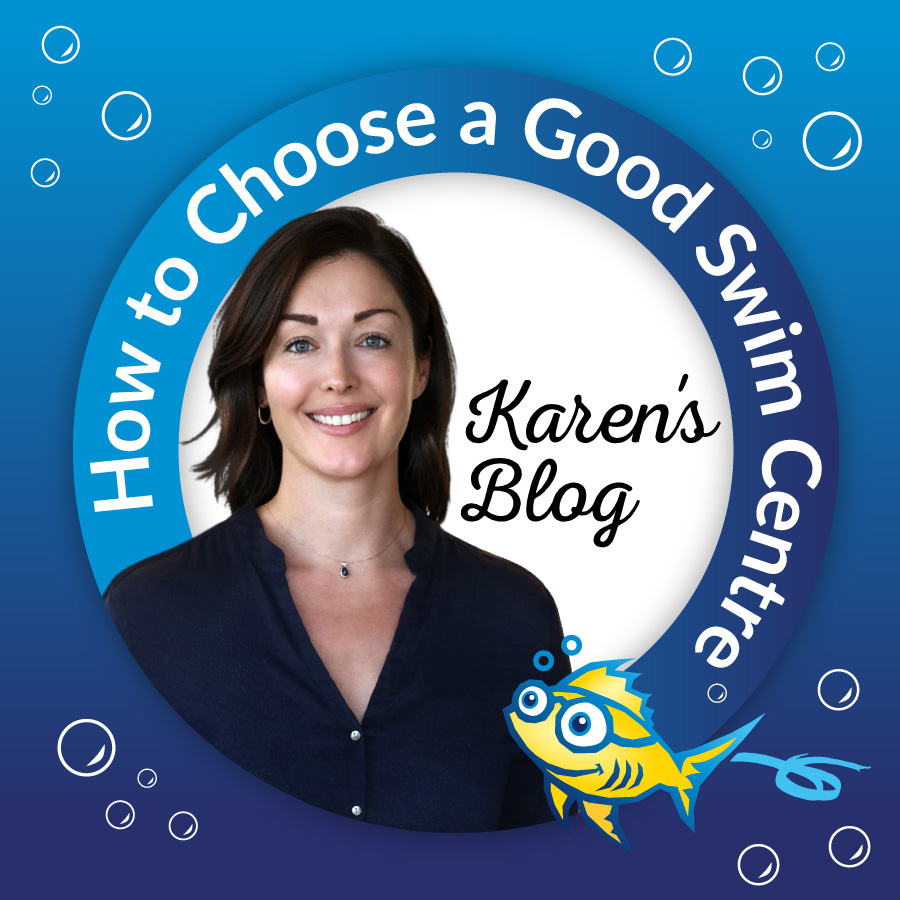
How to Choose the Right Swim School for Your Child

1 Jan, 2017

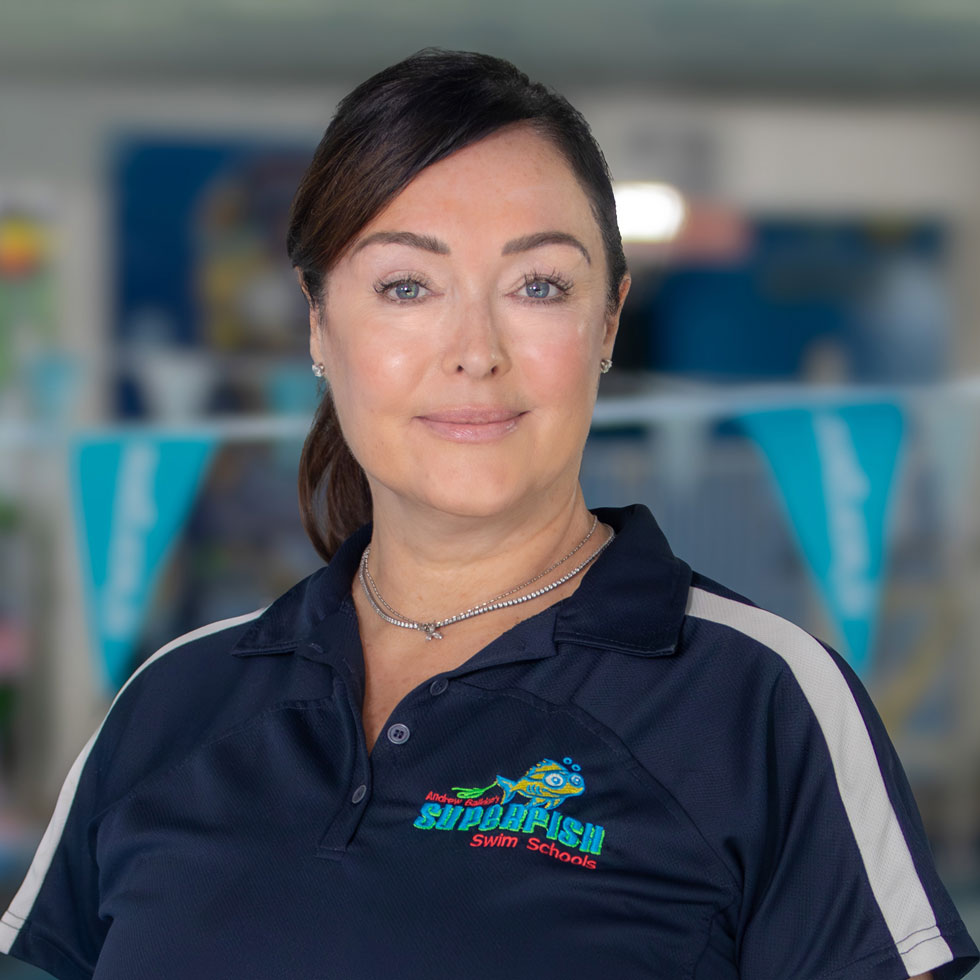
Karen Baildon

Karen Baildon

Co-Founder | Managing Director

Karen Baildon, Co-Founder and General Manager of Superfish Swim Schools, is a leading authority in learn to swim education and drowning prevention. As co-developer and lead trainer of the Superfish programs, she has created and implemented high-performing, life-saving swim education systems used across multiple facilities, setting a benchmark for quality and outcomes within the industry.

With decades of hands-on experience, Karen specialises in developing programs from concept through to delivery - training teams, refining teaching methods and ensuring consistency at every level, from infants through to advanced swimmers. Her expertise extends beyond swim schools, having contributed to the design and development of aquatic facilities including resort pools and elite sporting centres, with a strong focus on functionality, safety and user experience.

A highly engaging and respected speaker, Karen has presented nationally and internationally, including at the World Aquatic Development Conference in Sweden, ASCTA National Conference and Swim Australia forums. Known for her practical insight, clarity and energy, she delivers real-world strategies that educators and operators can implement immediately.

Karen is also a trusted mentor and consultant, working closely with industry bodies, swim schools and aquatic organisations to raise standards and improve drowning prevention outcomes. Her approachable style, combined with deep technical knowledge and operational experience, makes her a sought-after voice for conferences, workshops and industry leadership initiatives worldwide.

KAREN'S POSTS

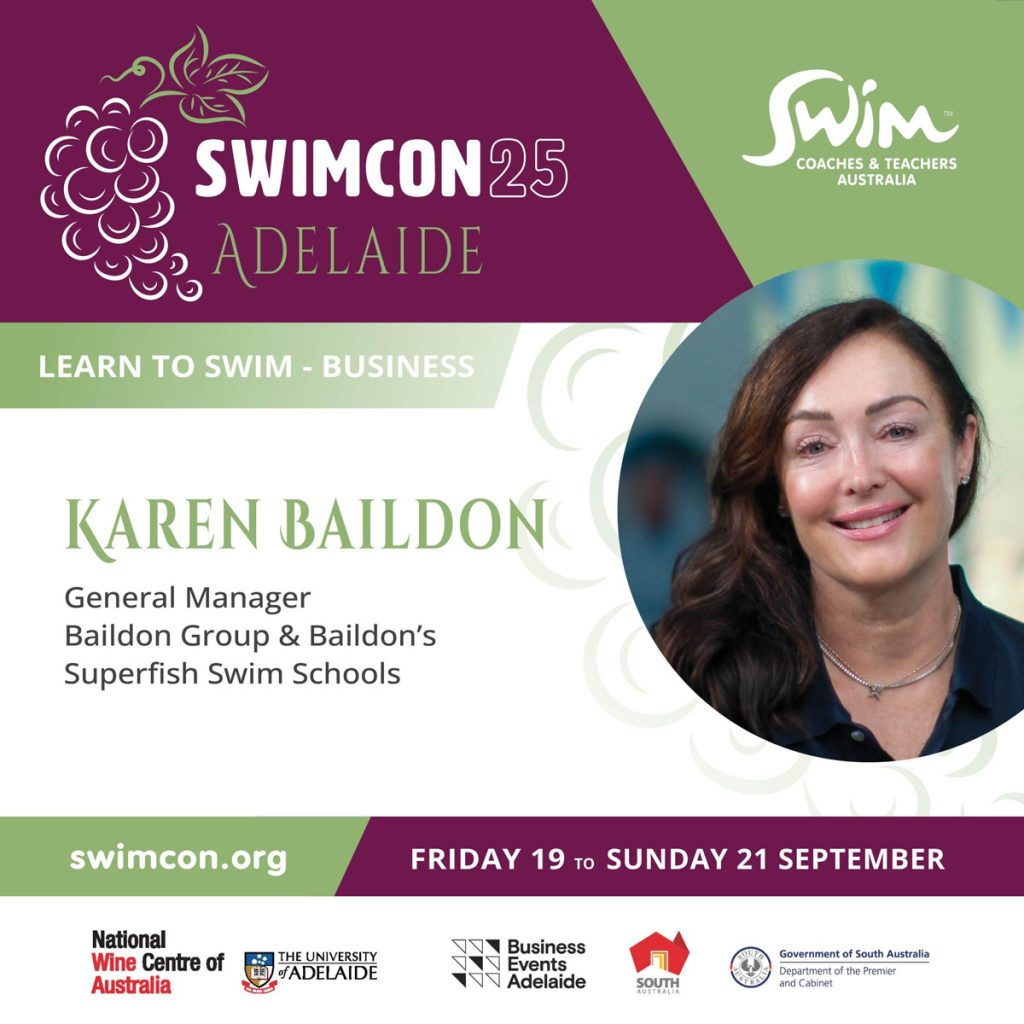
Karen Baildon presents two high-level sessions at SWIMCON25, sharing expert insights on swim school business, teaching excellence and industry leadership.

Karen Baildon Shares Industry Insights at SWIMCON25

September 26, 2025

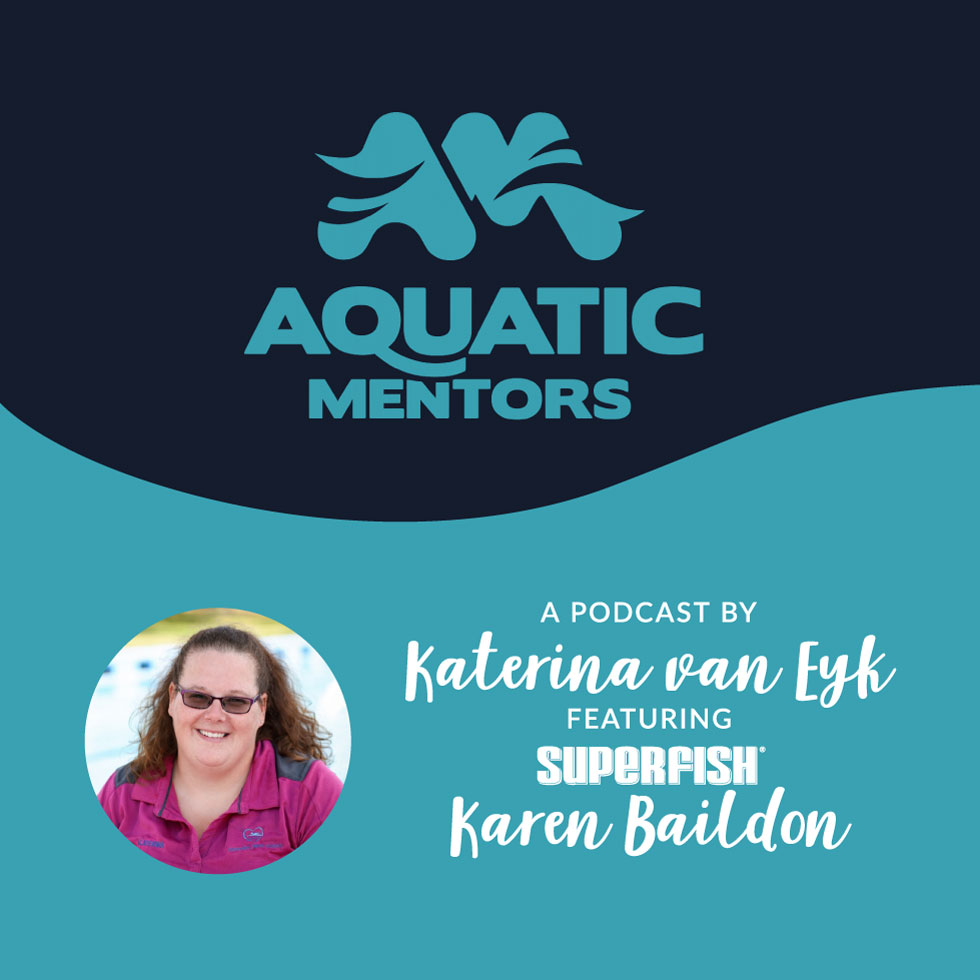
Listen to Karen Baildon share her lifelong journey in swimming, building Superfish Swim Schools, baby swim teaching and grassroots water safety.

Aquatic Mentors Podcast with Karen Baildon

November 30, 2021

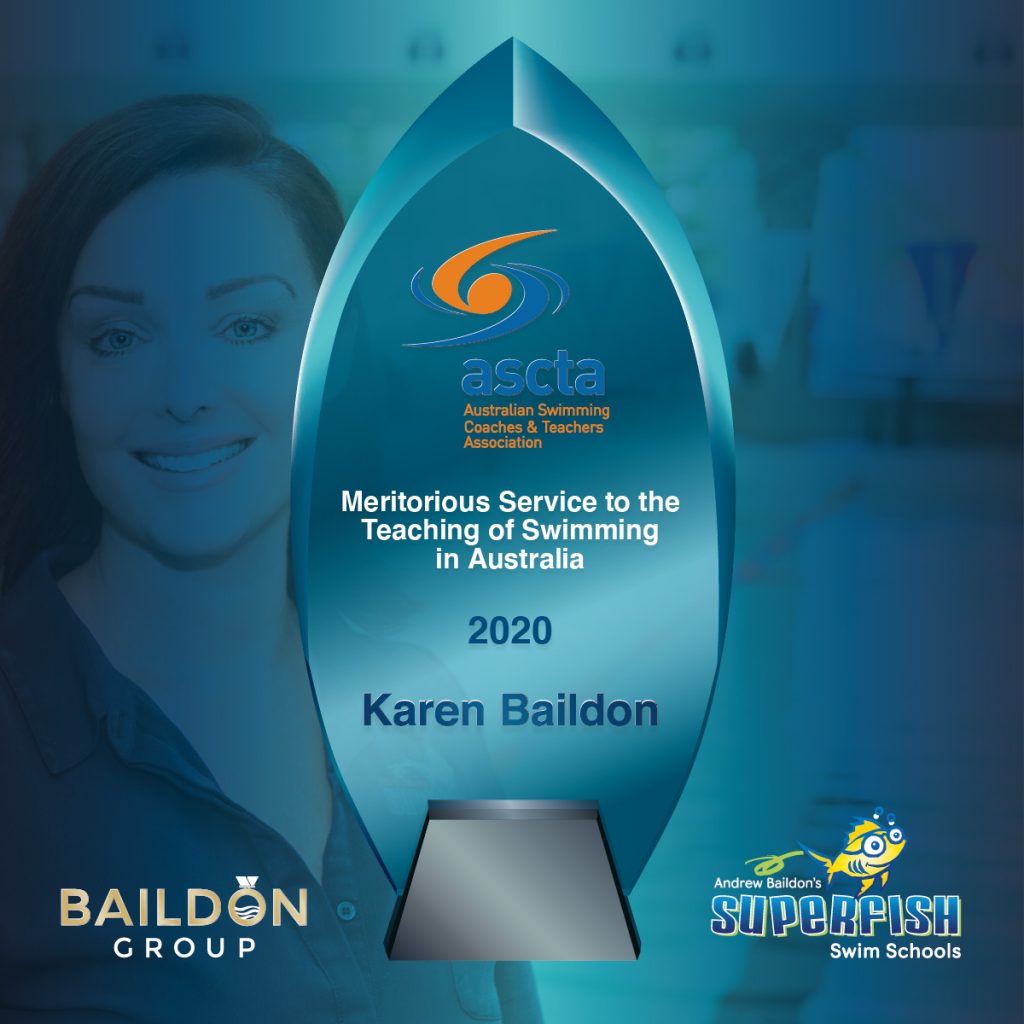
Karen Baildon of Superfish Swim Schools wins the ASCTA Meritorious Service Award for her contribution to swimming education and drowning prevention.

Karen Baildon Wins ASCTA Meritorious Service Award

May 21, 2021

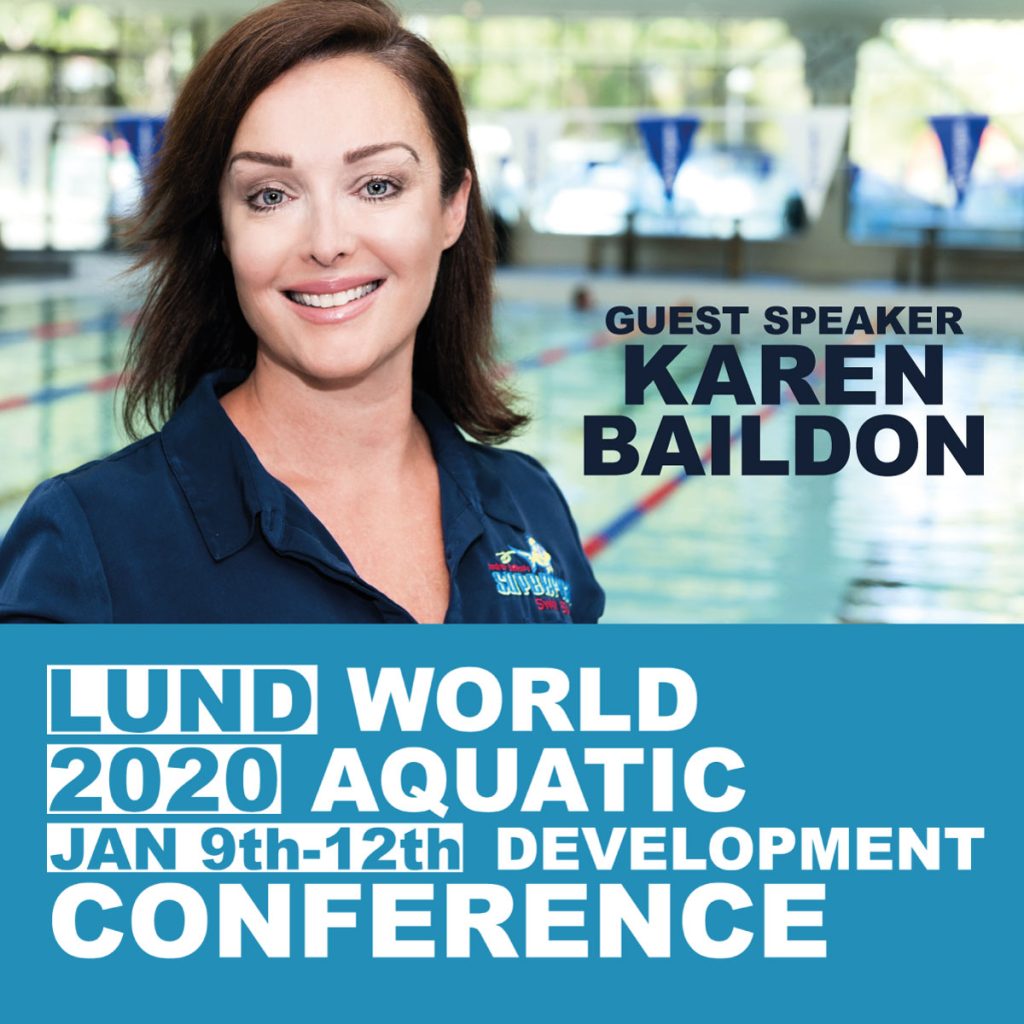
Karen Baildon Guest Speaker at the LUND World Aquatic Development Conference 2020

International Speaker Karen Baildon to Present at World Aquatic Development Conference 2020

November 6, 2019

Karen Baildon discusses toddler drowning prevention with Matt Webber on ABC Radio, sharing expert insights on safer, more effective learn-to-swim methods.

Karen Baildon on ABC Radio – Rethinking How We Teach Toddlers to Swim

November 1, 2019

Weekly swimming to keep children safe

Why Weekly Swimming Lessons Matter – What the Deakin Study Reveals

October 10, 2019

Learn why safe pool entry is a critical water safety skill for toddlers and young children, and how parents can reinforce it.

Safe Pool Entry – A Critical Water Safety Skill for Young Children

July 26, 2019

Discover why swimming is an essential life skill for children, from water safety and health benefits to confidence and development.

WHY Children Should Learn to Swim

March 13, 2019

fast track toddler swimming development

Fast tracking your Toddler’s Swimming Development

March 1, 2019

Keeping Children Safe blog by Karen

Keeping Children Safe This Summer – What Every Parent Needs to Know

November 1, 2018

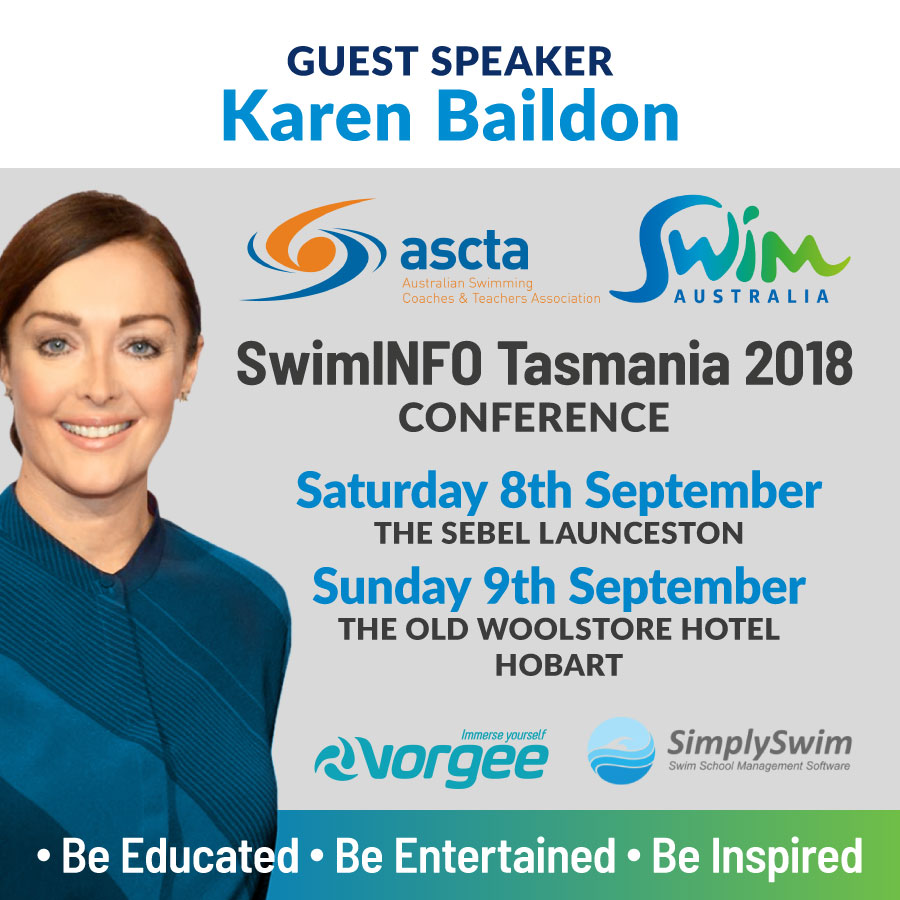
Superfish Founder Karen Baildon to speak at Swim Australia’s SwimINFO Tasmania conference, sharing expertise in baby and toddler swim programs.

Superfish Founder Karen Baildon Announced as Industry Speaker at SwimINFO Tasmania

September 1, 2018

Discover essential swimming milestones by age and ensure your child develops strong, independent drowning prevention skills.

Swimming Milestones Every Child Should Reach – By Age

June 1, 2018

Learn why drowning prevention programs are essential for young children and what skills every child under five should develop for water safety.

Drowning Prevention Should Be Every Parent’s Priority

March 13, 2018

Discover the truth about babies learning to swim and why early lessons are critical for building independent drowning prevention skills.

The Truth About Babies Learning to Swim – And Why It Matters

January 23, 2018

Choosing a swim school matters. Learn what to look for in instructors, programs and safety to ensure your child develops strong swimming skills.

How to Choose the Right Swim School for Your Child

January 1, 2017

Choosing a swim school is a big decision - and not one to take lightly.

How do you know your child is in an environment that genuinely supports their swimming development? How can you be confident the program is effective and the instructors are properly qualified?

Swimming is a life-saving skill. Yet many parents enrol their children with very little understanding of what makes a program truly effective.

Not All Swim Schools Are Created Equal

Just because an instructor is ‘nice’ doesn’t mean they’re effective. And while price can be a factor, it should never be the deciding one when it comes to your child’s safety and skill development.

When it comes to swimming lessons, the old saying holds up - you get what you pay for.

Common Misconceptions

“Don’t all swim schools teach the same thing?”

No - and they shouldn’t. A quality swim school will assess your child, set clear goals and guide their progression. If something doesn’t feel right, ask questions.

“School lessons are enough.”

Unfortunately, they’re not. School programs should support - not replace - regular lessons. Children benefit most from consistent, early exposure, starting as young as possible.

“My child didn’t like it, so we stopped.”

Swimming isn’t just another activity - it’s a survival skill. Lessons should continue until strong, independent swimming and safety skills are achieved.

“We can’t afford it.”

After essential living costs, swimming lessons should be a priority. The confidence and safety they provide are invaluable.

“We don’t have a pool.”

Most Australian children are regularly exposed to water - whether at friends’ homes, public pools, beaches or school activities. Swimming skills are essential regardless of your home environment.

What to Look For in a Swim School

Qualified, Professional Instructors

Look beyond basic certification. The best swim schools invest in ongoing training, ensuring instructors continuously improve their skills. Professional presentation, including uniforms, also reflects standards and accountability.

Structured, Progressive Programs

Programs should follow a clear structure, combining water safety and skill development. Progression should feel natural, building confidence while advancing ability.

A Strong Drowning Prevention Focus

This is non-negotiable. A quality program should prioritise:

  • Active supervision awareness
  • Safe pool practices (gates, barriers, compliance)
  • CPR awareness for parents and carers
  • Early development of independent survival skills

Children should learn:

  • Floating independently (minimum 30 seconds)
  • Treading water (minimum 30 seconds)
  • Turning and reaching the wall from different positions
  • Rolling from front to back to float

Lessons should also include:

  • Swimming in clothes (for real-world scenarios)
  • Minimal reliance on aids
  • Limited use of goggles in early stages
  • Practical at-home guidance for parents

Babies can begin as early as 3 months.

Stroke Development Pathways

A well-designed program builds from fundamentals through to advanced strokes:

  • Level 1 - Basic freestyle (no breathing), backstroke foundations, water safety
  • Level 2 - Freestyle with side breathing, backstroke, breaststroke kick
  • Level 3 - Stroke refinement, breaststroke coordination, butterfly kick introduction
  • Level 4 - Advanced stroke development including butterfly
  • Level 5 - All four strokes refined, preparing for squad-level swimming

Dives, push-offs and turns should be introduced progressively throughout.

Regular Assessments

Children should be assessed consistently and placed in classes suited to their age, ability and confidence level. Mixed-ability classes can slow development.

Minimal Use of Aids

Over-reliance on floatation aids can create a false sense of confidence. Strong programs prioritise real skill development over dependency.

Clean, Professional Facilities

Cleanliness, water quality and overall presentation matter. A well-maintained facility reflects the standard of the entire operation.

Industry Affiliation

Look for swim schools aligned with recognised organisations such as Swim Australia, Austswim or Royal Life Saving.

Experienced Leadership

The background of the swim school owner matters. A strong swimming foundation and active involvement in the industry often translate into higher program quality.

Ask Questions

A quality swim school should be able to clearly explain:

  • Why each activity is taught
  • What skill it develops
  • How your child progresses

If they can’t explain it clearly, that’s a red flag.

Communication Matters

You should feel informed and supported at all times. Look for centres that provide:

  • Regular updates on progress
  • Clear program information
  • Open communication with instructors
  • Multiple communication channels (email, website, social, etc.)
Superfish Swim Schools Pacific Pines (Gaven and Maudsland) Exterior

07 5529 4343

Superfish Swim Schools Benowa Exterior

07 5597 1311

Superfish Swim Schools Worongary Exterior

07 5530 6116

Superfish Swim Schools Sunnybank Exterior

07 3323 3188

Superfish Swim Schools Redland Bay Exterior

07 3086 0131