




There are still widespread misconceptions about babies learning to swim. Some parents believe that babies are too young to learn how to save themselves, or that baby swimming lessons are a waste of time and money. In reality, the opposite is true.
The earlier a child begins a quality learn-to-swim program, the sooner they can develop the skills, strength and confidence needed to become independent swimmers - skills that could ultimately save their life.
Parents have a responsibility to ensure their children develop independent drowning prevention skills, and these are only built through regular, consistent swimming lessons over time.
Another misconception often heard is, “My child can swim.”
Unfortunately, many Australian children still have limited and ineffective swimming ability. To be considered a strong swimmer, all Australian children should be able to swim a minimum of 200 metres by the age of 10, with teenagers confidently swimming 400 metres.
So what does real water competency look like for younger children?
Does your child under 5 have these skills?
This is the benchmark for a high level of independent drowning prevention ability:
- Independently tread water for 30 seconds
- Independently float on their back (face up) for 30 seconds
- Transition confidently between treading water and floating
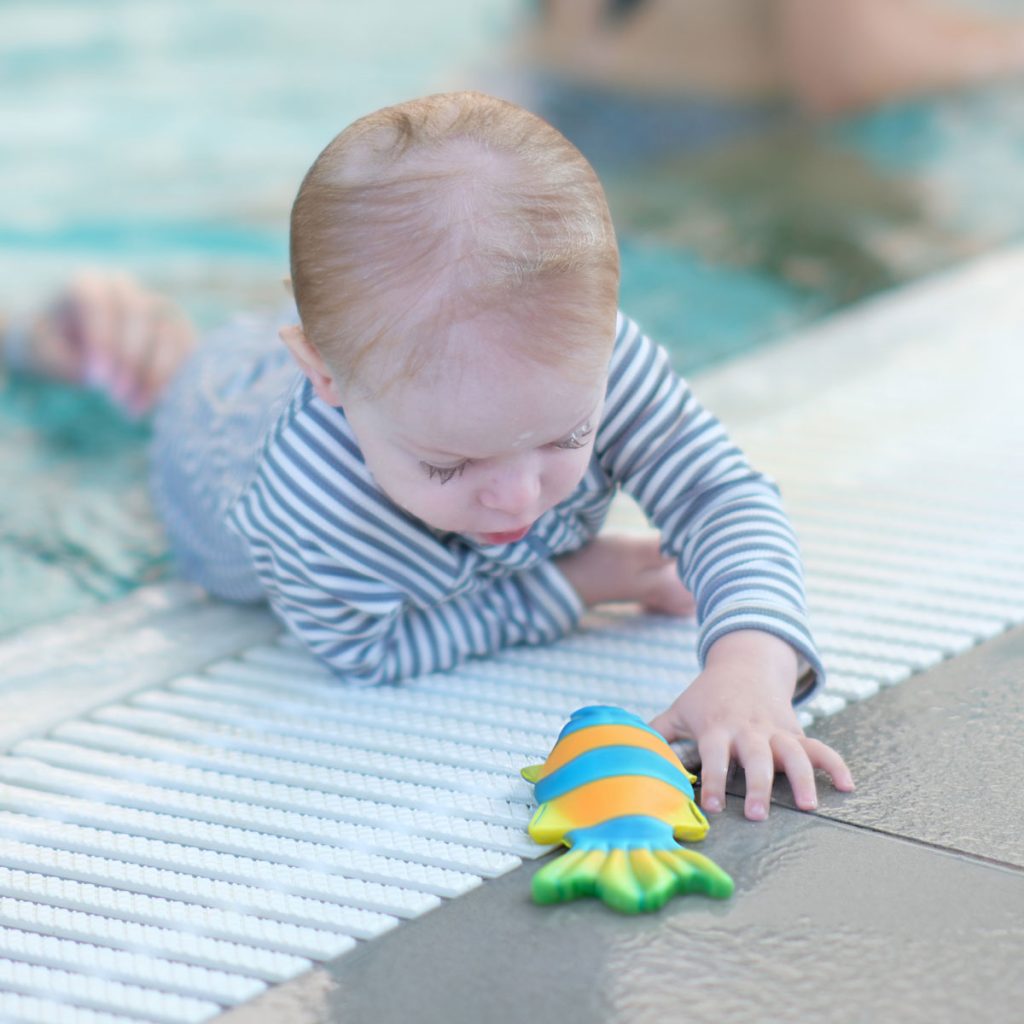
- Independently fall into the water and climb out of a pool
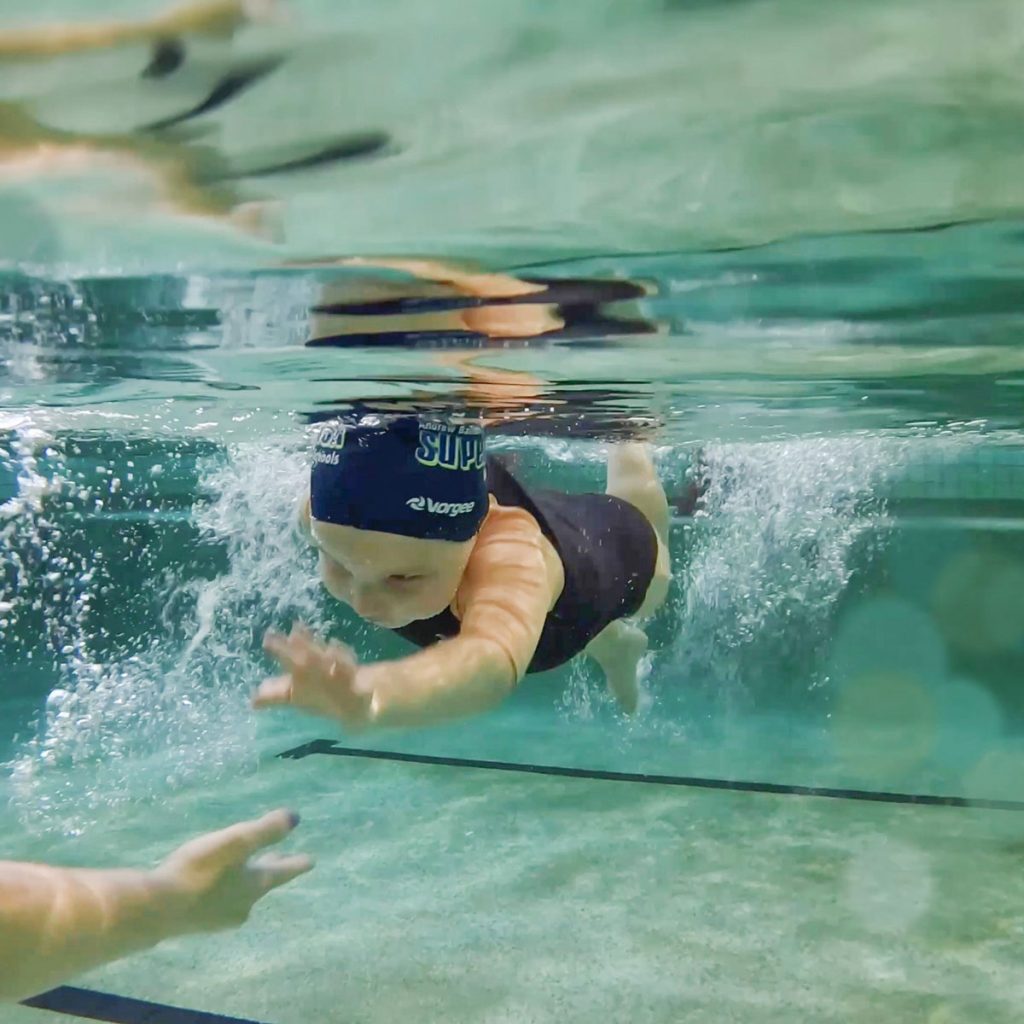
- Independently swim with eyes in the water, using paddling arms and a strong kick, lifting their head to breathe or rolling onto their back to float
These are not advanced skills - they are essential, lifesaving foundations.
The focus should not be on simply being comfortable in the water, but on building real, practical skills that give children the ability to respond independently if they find themselves in danger.