

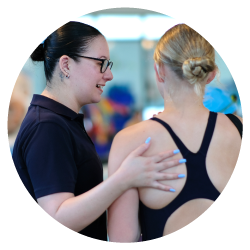
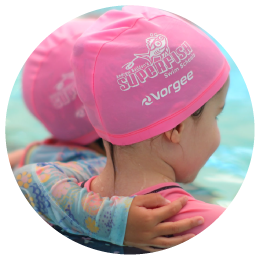
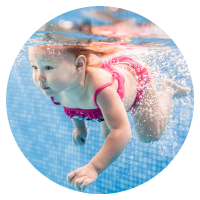














Babies and young children participating in a drowning prevention program should be every parent’s priority - especially until children under five develop strong, independent water safety skills. Children under five are the most vulnerable group when it comes to drowning risk. Don’t wait until school to start lessons. Every child needs to develop both a healthy respect for water and the skills required to stay safe. And yes - these skills can absolutely be taught from a very young age, when done properly.
Can Your Child Do the Following?
- Float independently for 30 seconds or more
- Paddle independently and roll onto their back to float
- Swim without floaties or back bubbles
- Swim and lift their head to breathe
- Jump into a pool and return safely to the edge
- Tread water with their head above the surface
- Swim confidently while wearing clothes and shoes
(Children should experience swimming in clothing to understand the added weight and real-world conditions.)
What’s Required to See Real Progress?
- Two lessons per week
- Consistency - no long breaks
- Starting as early as possible
Leaving gaps in training slows development and delays critical safety skills.
When Should You Start?
Around 6 months of age is ideal.
The earlier a child begins, the more confident and capable they will be around water.
What Should a Drowning Prevention Program Teach?
A strong program should include:
- Breath control before submerging
- Holding breath underwater
- Controlled breathing while paddling
- Independent face-up floating
- Rolling onto the back from a submerged position
- Reaching, grabbing and turning to the pool edge
- Maintaining a horizontal body position using arms and legs
- Combining swimming and floating when unable to reach safety
- Regular practice swimming in clothing, nappies and shoes
Final Note
Ensuring your child is enrolled in a structured drowning prevention program is one of the most effective ways to reduce risk.
But nothing replaces active adult supervision.
Constant, attentive supervision is the most critical factor in preventing drowning.


