




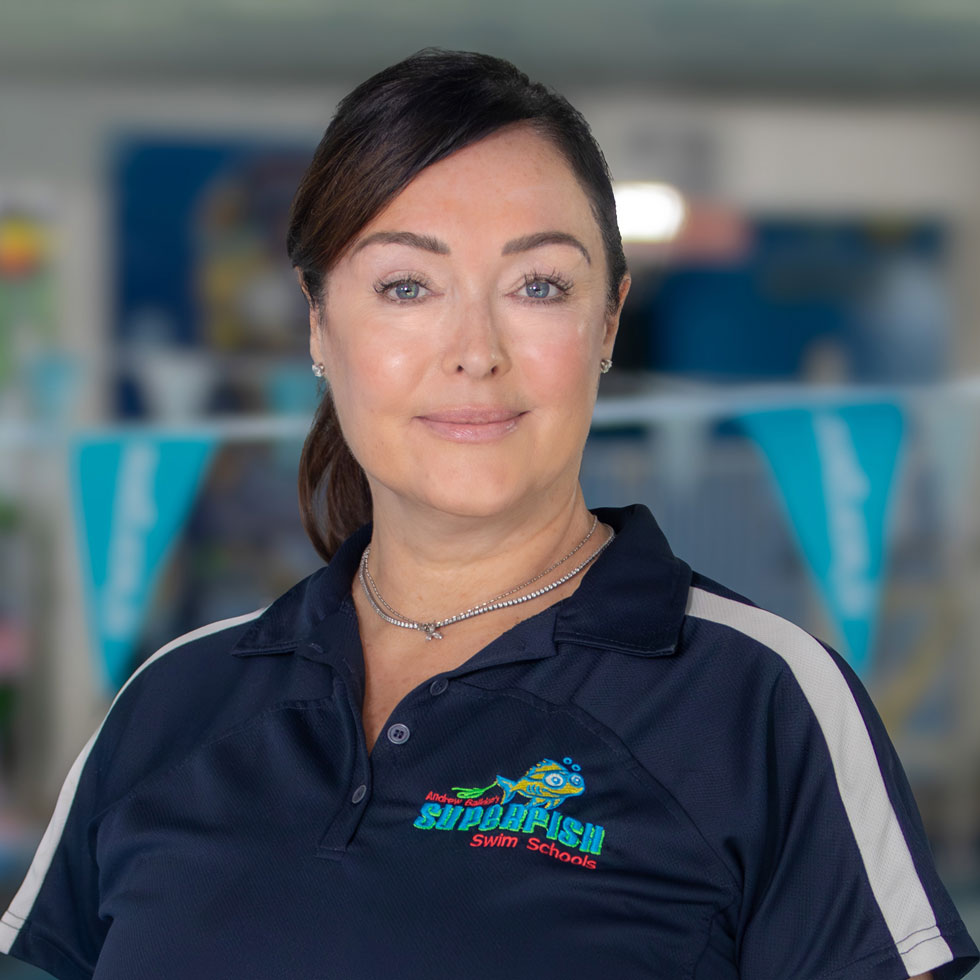


Drowning prevention expert Karen Baildon was recently featured on ABC Radio with Matt Webber, sharing her insights on how young children are taught to swim - and why current approaches may need to evolve.

In a wide-ranging interview, Karen Baildon joined ABC Radio to discuss one of the most important and often misunderstood areas of water safety - early childhood drowning prevention.
As a respected program development specialist and international speaker, Karen highlighted the urgent need to rethink how swimming is taught to children aged 0 to 4, the most at-risk group for both fatal and non-fatal drowning incidents.
While acknowledging the value of creating a positive, playful introduction to water, Karen challenged whether enough time in lessons is dedicated to developing practical, lifesaving skills. She emphasised that true water competency at this age is not about perfect technique, but about independence - the ability for a child to respond instinctively if they enter the water unexpectedly.
Key skills such as floating, recovery and returning to safety were central to the discussion, along with the reality that limited weekly lesson time alone is rarely enough to embed these responses without consistent reinforcement.
Importantly, Karen reinforced that effective drowning prevention must always be delivered in a way that supports a child’s emotional and developmental wellbeing. Her approach prioritises confidence, consistency and positive experiences, ensuring children remain engaged while building critical survival skills.
This national media appearance reflects Karen’s growing recognition as a leading voice in drowning prevention and learn-to-swim program development, contributing to industry conversations both in Australia and internationally.
TRANSCRIPTION
Matt:
Teach your kids to swim. It’s an adage that’s taken a while to become gospel, but more and more of us - especially here on the Gold Coast - understand how important it is.
But are we teaching our toddlers the right way? Not necessarily, says Karen Baildon from Superfish Swim Schools.
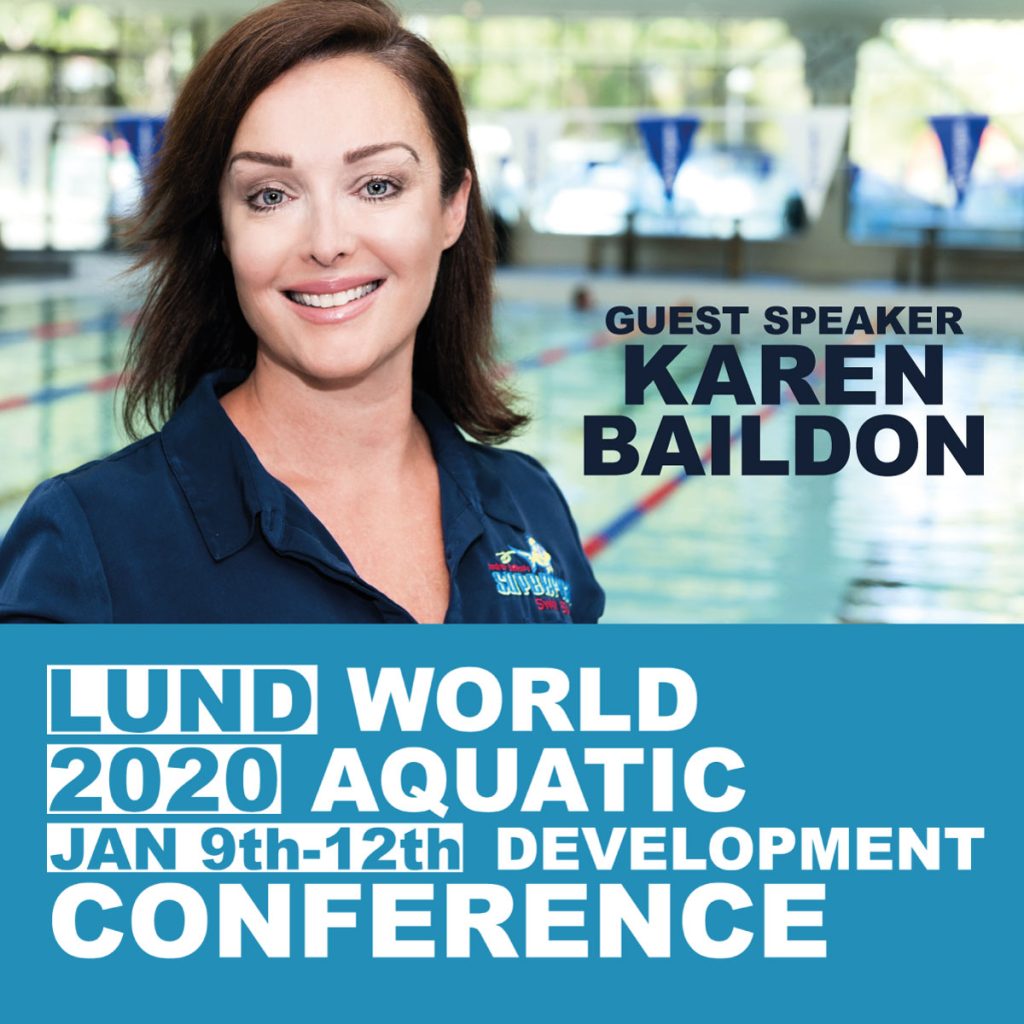
She’ll be challenging conventional thinking at the World Aquatic Development Conference in Sweden this January, focusing on fast-tracking skills for children under three.
Karen, great to have you with us.
Karen:
Hi, thank you for having me.
Matt:
Are we getting better at understanding the importance of early learning in and around the water?
Karen:
Yes, I think education in Australia has improved enormously. More parents understand the importance of teaching children to swim as early as possible. That’s the positive.
But I do think it can be done better.
Matt:
You refer to the 0 to 4 age group as a hotspot. Why is that?
Karen:
Because they are our most vulnerable. This age group has the highest drowning rates - both fatal and non-fatal.
The 18 months to 3 years bracket is particularly concerning. Non-fatal drownings often result in permanent brain injury, and that’s what makes this so serious.
We need to take a closer look at how we’re teaching this age group and question how much of a lesson is truly focused on drowning prevention skills.
Matt:
A lot of early lessons involve songs, games and making kids comfortable in the water.
Karen:
And that’s important. Children need to feel safe and enjoy the water.
But we also need to ask - how much of that 30-minute lesson is actually building real drowning prevention skills?
Matt:
You talk about independence. What does that mean for a child under three?
Karen:
It means giving them practical, lifesaving abilities.
Things like floating independently on their back, falling in and returning to the wall, rolling onto their back to breathe, or even basic treading skills.
These are the skills that can save a child’s life.
Matt:
So it’s not about removing fun, but shifting focus?
Karen:
Exactly. We still include play, but we need to prioritise the skills that matter most.
Matt:
Are current teaching approaches missing that urgency?
Karen:
In some cases, yes.
We need to remember that we are teaching a lifesaving skill. One lesson per week is only about two hours of water exposure per month - less than 20 hours a year.
That’s simply not enough to develop strong, reliable skills without reinforcement.
Matt:
So what’s the solution?
Karen:
We need to fast-track learning through increased exposure, consistent reinforcement and involving parents.
That includes practising outside of lessons and building repetition so these responses become instinctive.
Matt:
What about development? Can this be done without negatively affecting the child?
Karen:
Absolutely - but it must be done the right way.
We have a no-tears policy. Children must feel safe, supported and happy in the water.
You’re not going to achieve anything if a child is distressed. It’s about balancing safety with positive development.
Matt:
And this is what you’ll be presenting internationally?
Karen:
Yes, I’ll be speaking at the learn-to-swim stream of the World Aquatic Development Conference in Sweden. I’m really looking forward to it.
Matt:
Perfect timing heading into summer. Plenty for parents to think about.
Karen:
Absolutely.


