


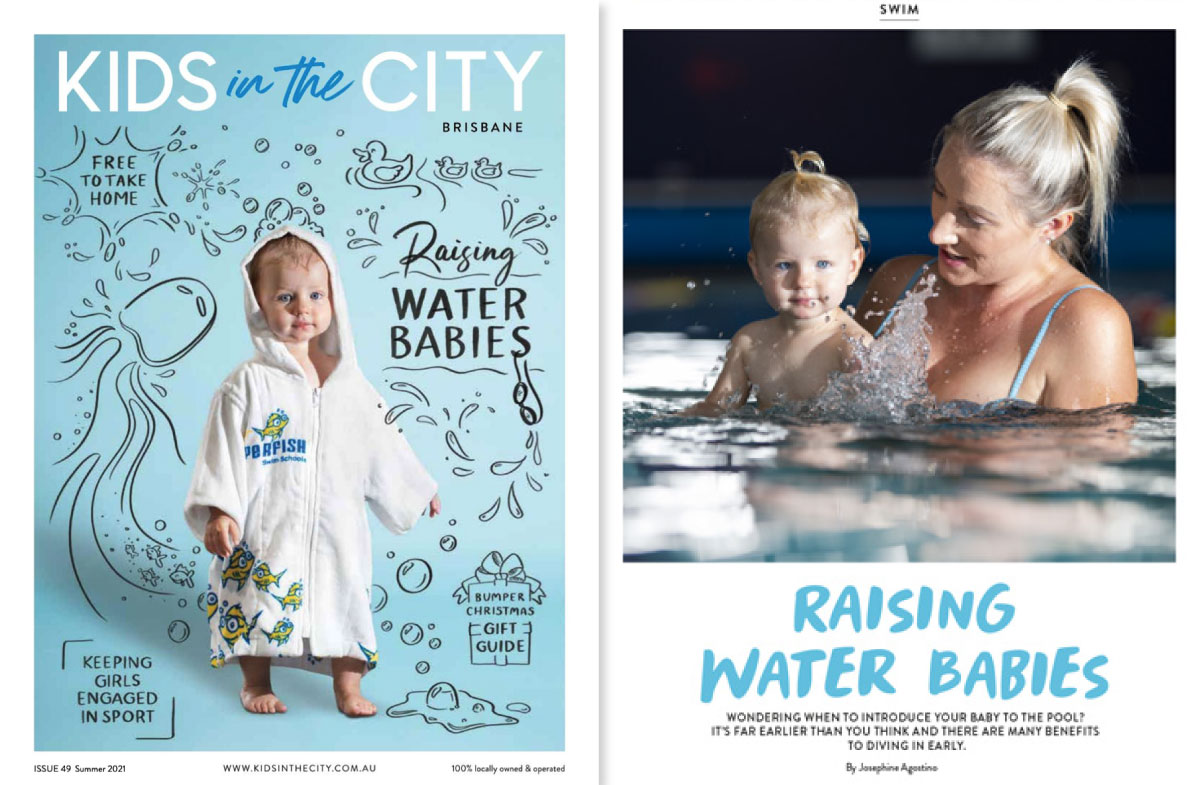

When should babies start swimming? In this Kids On The Coast feature, Superfish founder Karen Baildon shares why early water exposure is key to building confidence, strength, and life-saving drowning prevention skills.
From newborn reflex development to real-life stories of toddlers saving themselves, this article highlights why starting young can make all the difference.
Read the full article below.

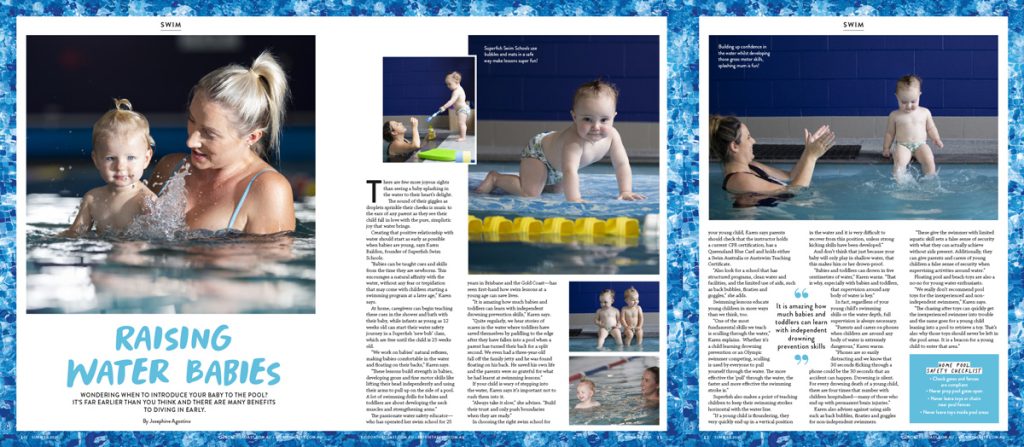
By Josephine Agostino
Featuring Karen Baildon, Superfish Swim Schools
Kids On The Coast | Kids In The City
Wondering when to introduce your baby to the pool? It’s far earlier than you think and there are many benefits to diving in early.
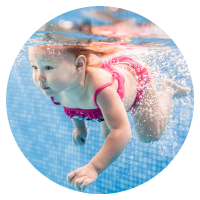
There are few more joyous sights than seeing a baby splashing in the water to their heart’s delight. The sound of their giggles as droplets sprinkle their cheeks is music to the ears of any parent as they see their child fall in love with the pure, simplistic joy that water brings.
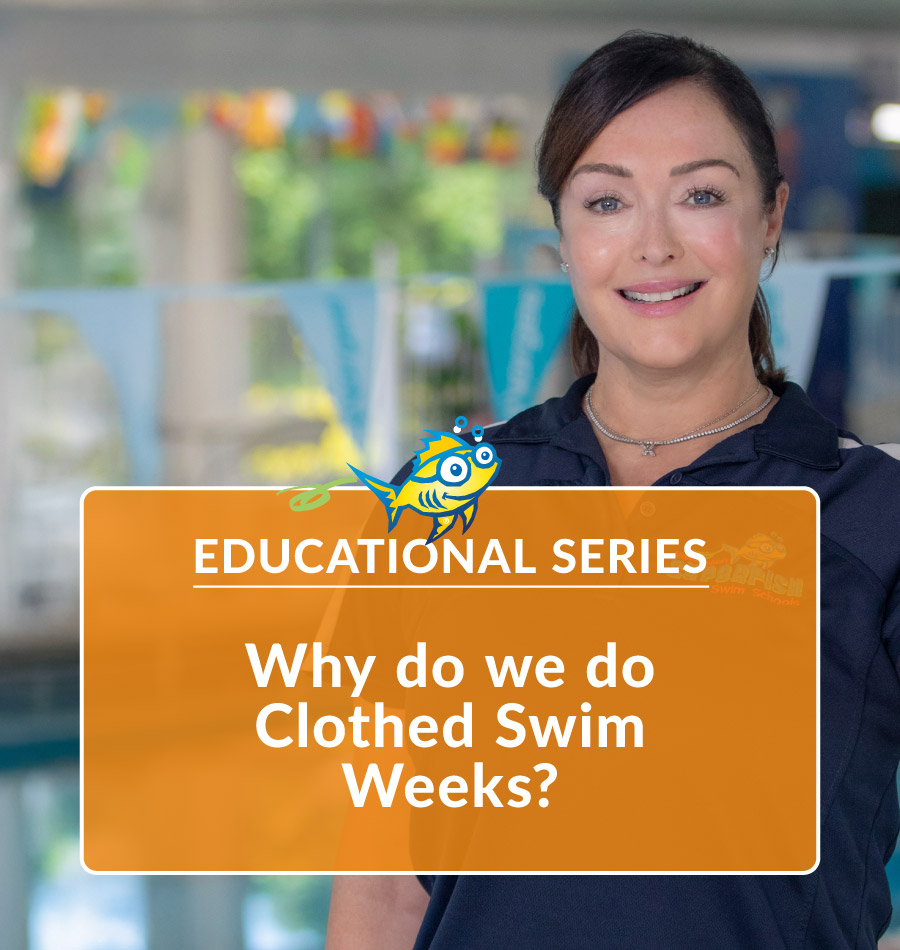
Creating that positive relationship with water should start as early as possible when babies are young, says Karen Baildon, founder of Superfish Swim Schools.
"Babies can be taught cues and skills from the time they are newborns. This encourages a natural affinity with the water, without any fear or trepidation that may come with children starting a swimming program at a later age," Karen says.
At home, caregivers can begin teaching these cues in the shower and bath with their baby, while infants as young as 12 weeks old can start their water safety journey in a Superfish ‘new bub’ class, which are free until the child is 25 weeks old.
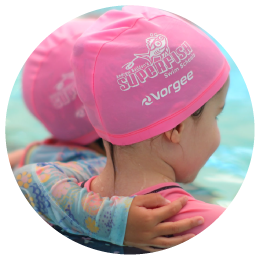
"We work on babies’ natural reflexes, making babies comfortable in the water and floating on their backs," Karen says.
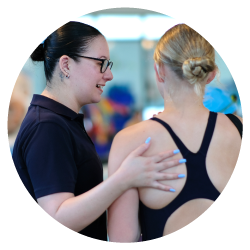
"These lessons build strength in babies, developing gross and fine motor skills like lifting their head independently and using their arms to pull up on the side of a pool. A lot of swimming drills for babies and toddlers are about developing the neck muscles and strengthening arms."
The passionate water safety educator — who has operated her swim school for 25 years in Brisbane and the Gold Coast — has seen first-hand how swim lessons at a young age can save lives.
"It is amazing how much babies and toddlers can learn with independent drowning prevention skills," Karen says.
"Quite regularly, we hear stories of scares in the water where toddlers have saved themselves by paddling to the edge after they have fallen into a pool when a parent has turned their back for a split second. We even had a three-year-old fall off the family jetty and he was found floating on his back. He saved his own life and the parents were so grateful for what he had learnt at swimming lessons."
If your child is wary of stepping into the water, Karen says it’s important not to rush them into it. "Always take it slow," she advises. "Build their trust and only push boundaries when they are ready."
In choosing the right swim school for your young child, Karen says parents should check that the instructor holds a current CPR certification, has a Queensland Blue Card and holds either a Swim Australia or Austswim Teaching Certificate.
"Also look for a school that has structured programs, clean water and facilities, and the limited use of aids, such as back bubbles, floaties and goggles," she adds.
Swimming lessons educate young children in more ways than we think, too.
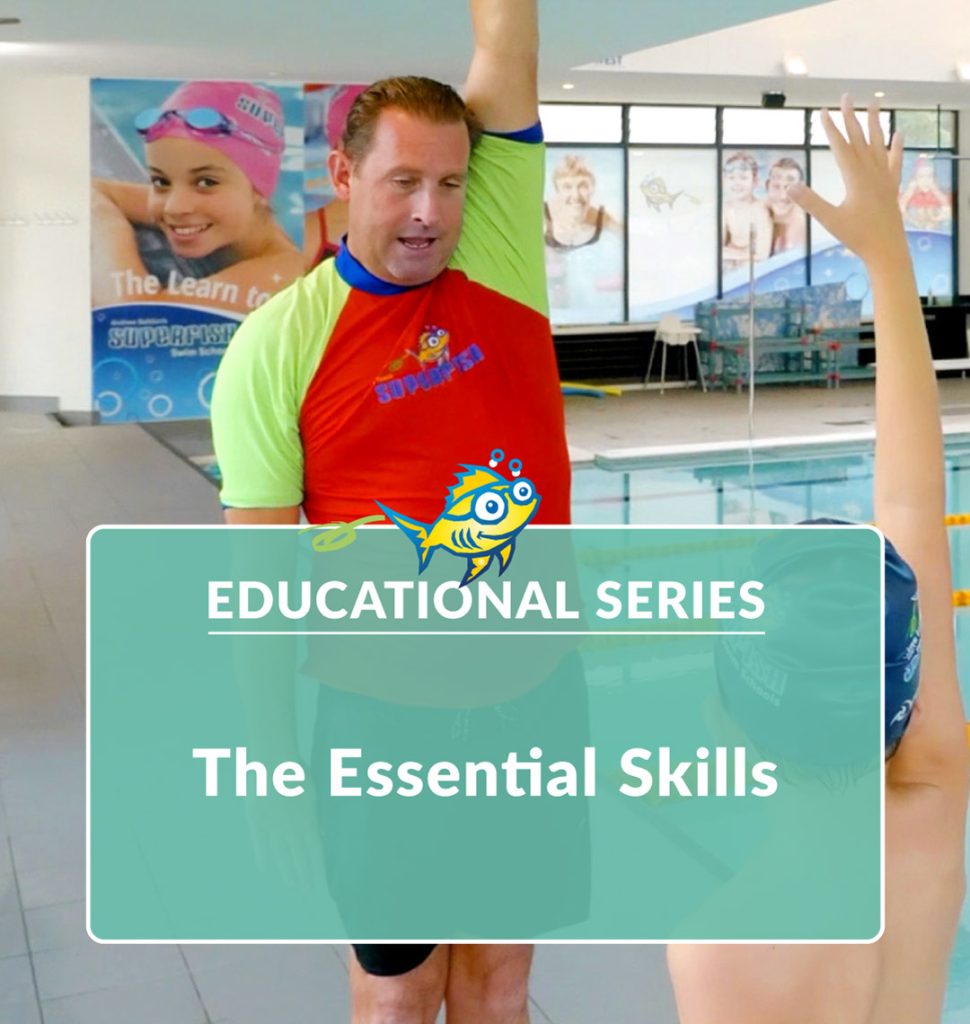
"One of the most fundamental skills we teach is sculling through the water," Karen explains. Whether it’s a child learning drowning prevention or an Olympic swimmer competing, sculling is used by everyone to pull yourself through the water. The more effective the ‘pull’ through the water, the faster and more effective the swimming stroke is."Superfish also makes a point of teaching children to keep their swimming strokes horizontal with the water line.
"If a young child is floundering, they very quickly end up in a vertical position 12in the water and it is very difficult to recover from this position, unless strong kicking skills have been developed."
And don’t think that just because your baby will only play in shallow water, that this makes him or her drown-proof.
"Babies and toddlers can drown in five centimetres of water," Karen warns. "That is why, especially with babies and toddlers, that supervision around any body of water is key."
In fact, regardless of your young child’s swimming skills or the water depth, full supervision is always necessary.
"Parents and carers on phones when children are around any body of water is extremely dangerous," Karen warns.
"Phones are so easily distracting and we know that 30 seconds flicking through a phone could be the 30 seconds that an accident can happen. Drowning is silent. For every drowning death of a young child, there are four times that number with children hospitalised—many of those who end up with permanent brain injuries."
Karen also advises against using aids such as back bubbles, floaties and goggles for non-independent swimmers.
"These give the swimmer with limited aquatic skill sets a false sense of security with what they can actually achieve without aids present. Additionally, they can give parents and carers of young children a false sense of security when supervising activities around water."
Floating pool and beach toys are also a no-no for young water enthusiasts.
"We really don’t recommend pool toys for the inexperienced and non-independent swimmers," Karen says.
"The chasing after toys can quickly get the inexperienced swimmer into trouble and the same goes for a young child leaning into a pool to retrieve a toy. That’s also why those toys should never be left in the pool areas. It is a beacon for a young child to enter that area."